
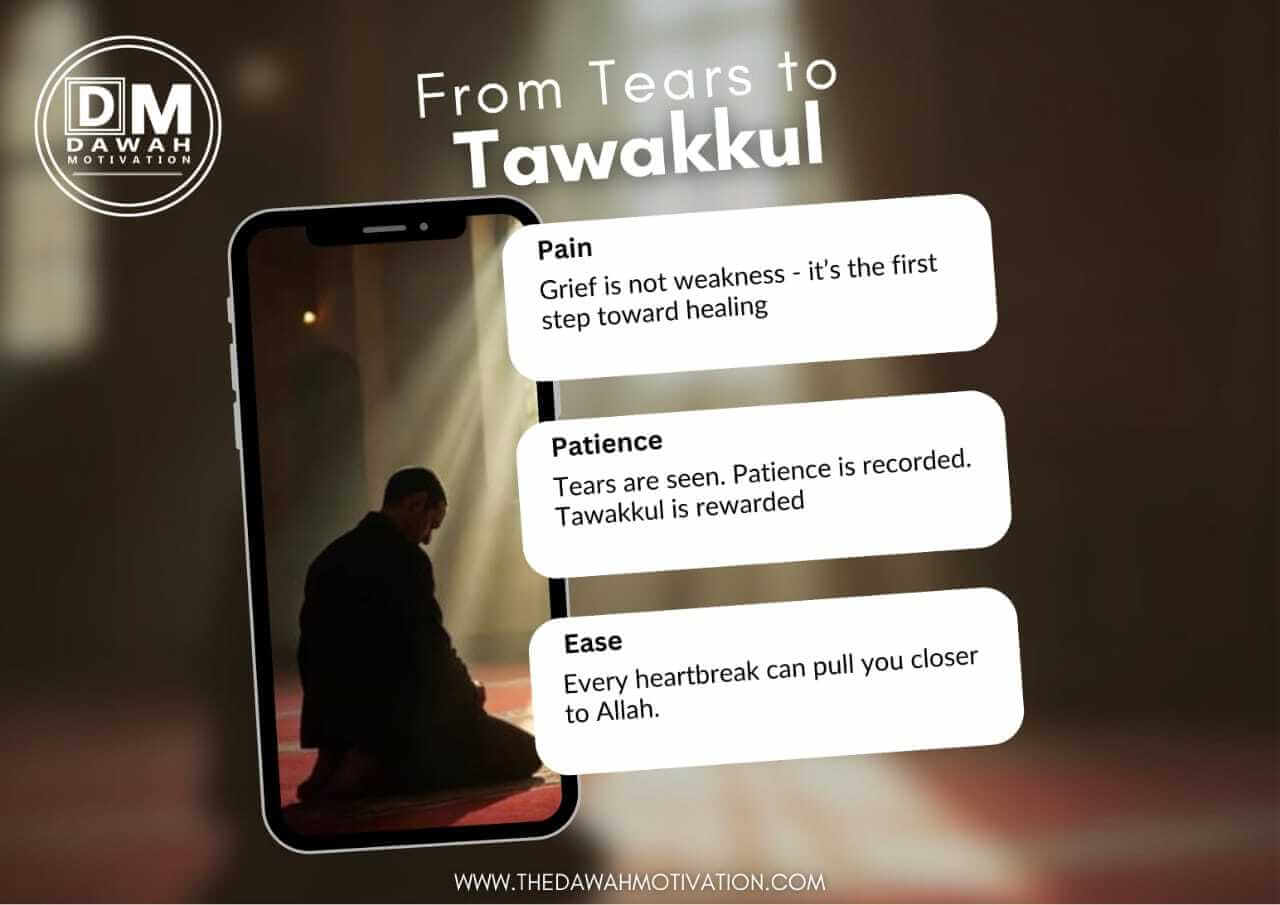
All of us go through moments when life feels unbearably heavy whether due to the loss of a loved one, a sudden job loss, or an unexpected calamity. Sadness can settle like a cloud, making hope seem distant. Yet, it’s often in these moments of sorrow that we begin seeking healing, connection, and faith. Ironically, our most fragile times are often the greatest opportunities for inner growth.
Modern psychology outlines six stages of grief: denial, anger, bargaining, depression, acceptance, and meaning. These stages help us understand the emotional terrain of loss. Denial cushions the initial shock, followed by anger at the pain we face. Bargaining seeks control, depression brings emotional heaviness, and acceptance allows us to live with the reality. Meaning, the final stage, emerges when we find purpose through our pain. These stages aren’t linear grief ebbs and flows but they reflect how deeply loss touches the human heart.
Islamic psychology, however, offers a more spiritually grounded path. Grief is seen as a sacred journey: beginning with sadmah (the shock), then huzn (sorrow), where the heart is most vulnerable. Yet it is in this stage that faith often awakens. Islam then guides us to tawakkul trust in Allah’s wisdom even in pain. That trust gives birth to sabr, an active, resilient patience. From here, we often turn inward in tawbah, sincerely reconnecting with Allah, which leads to rida, contentment with His decree. This journey reflects how sadness, when met with faith, becomes a path of spiritual elevation.
Allah reminds us in the Qur’an:
“And We will surely test you with something of fear and hunger and a loss of wealth and lives and fruits but give glad tidings to the patient…” (Surah Al-Baqarah ).
These trials are not punishments; they are divine invitations to purify, grow, and return to Him.
The story of Prophet Ayyub (A.S.) is a powerful example. Tested with extreme loss and illness, he remained patient, never complaining, and simply said:
“Indeed, adversity has touched me, and You are the Most Merciful of the merciful.” (Surah Al-Anbiya).
His unwavering tawakkul brought about healing and reward, reminding us that hardships often signify divine nearness.
Tears are not a sign of weak faith they are a sign of a heart still tender and alive. Islam doesn’t call us to suppress grief, but to process it with wisdom.
Feeling sadness is not failure. Speaking gently to ourselves, remembering Allah’s names Al-Latif, As-Sabur, Ar-Rahim and seeking support through loved ones or professionals are all part of a healthy, faith-filled response. Sadness, when embraced with tawakkul, becomes a powerful teacher. Every tear can nurture spiritual awakening. Every hardship endured with patience draws us closer to Allah. If you’re hurting today, know this:
“Your grief is seen, your tears are counted, your prayers are heard, and your heart is held by the Most Merciful.”
Let your pain soften your heart, not harden it. Let it pull you closer to faith, to healing, and to hope. And one day, you will look back and see: the tears you shed weren’t signs of weakness, but the very water that helped your soul bloom again.





One Response
Indeed it was great reminder. Pain has power to connect us to our Allah. Certainly, we should process it with patience.
Jazak Allah khair