
Something Happened That We Didn’t Plan for 😳☕
Some days don’t feel “planned” in the formal sense — they just unfold in a way that feels a little uncertain at the start, a little chaotic in between, and surprisingly meaningful by the end 🤍 Yesterday was exactly one of those days.
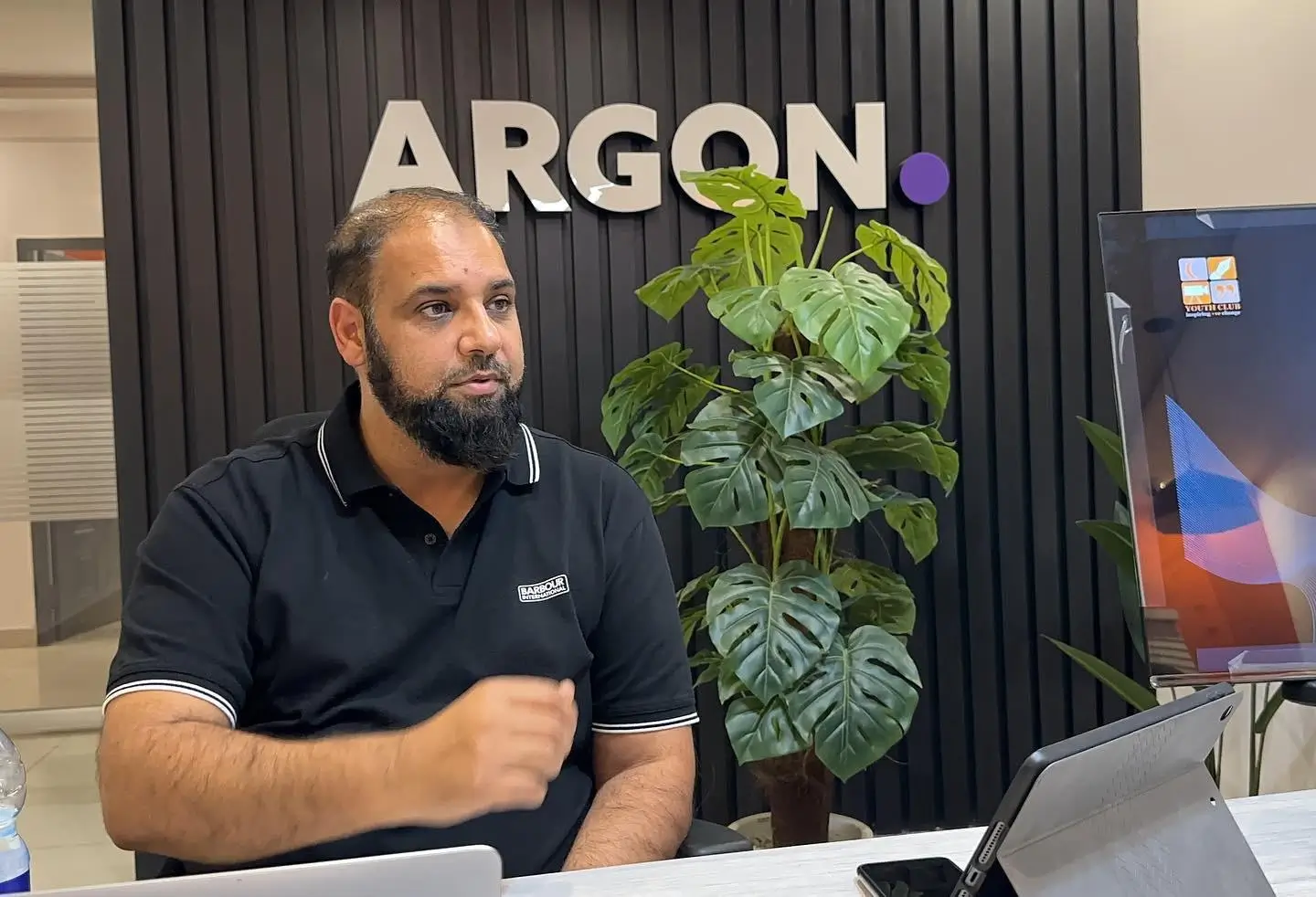
So, we had our training session with Sir Nadeem at Chaye Khana Saddar, Rawalpindi… but getting there? That was already an adventure 😅
Everything was properly planned a few days before — timings, venue, even a quick WhatsApp call a day before to finalize things… until the rain decided to test our commitment 🌧️ It had been pouring heavily the whole previous day, so naturally the group chat energy shifted to: “umm… are we still doing this?” After some thoughts, we landed on a very desi solution: we’ll decide one hour before. If it’s heavy rain, we stay cozy at home. If it chills… we show up.
Next morning came with that soft drizzle — the kind where you stare out the window like, “is this a sign to go… or a sign to sleep again?” 😄 But we chose the braver option: we went.
And the day literally started with dawah before the “training” even began. Sis Gul-e-Lala reached first (early bird award goes to her 🏆), and while waiting for others, she noticed two non-hijabi sisters and went up to talk to them. Just like that. No overthinking, no dramatic build-up. Meanwhile, me and maybe others were still on the way thinking, “okay today we’ll do dawah…” and she had already started 😅
Once we were there, we had some discussion on team building, then the training session began — but it didn’t feel like a lecture at all. It felt more like those conversations that gently call you out. The whole topic of “Effective Dawah to Muslim Youth” hit very close because it’s literally what we see around us every day.
We spoke about this growing gap between practicing and non-practicing Muslims — and how, ironically, it’s increasing even though we’re learning more than ever. And then came that honest realization: it’s not that knowledge isn’t there… it’s that we’re not passing it on. Either we end up judging people (a little too passionately sometimes), or we just stay comfortable in our own bubble like, “someone else will do it.”
One of the most real takeaways was the difference between teaching and inspiring. You can explain things all day, but that doesn’t mean it will touch someone. What actually makes a difference is when you listen, when you let people speak, when it feels like a conversation and not a correction session. And the most eye-opening part? When you do step out and talk to people, you realize they’ve actually been waiting — genuinely waiting for someone to guide them without judging.
The session also explored how we’re very good at pointing out problems — no salah, haram relationships, distractions — full list ready . But when it comes to solutions? Silence. We say “this is haram” but don’t show what’s halal and beautiful. We don’t help people see that living for Allah isn’t boring — it actually gives your life meaning (and lowkey removes that “I’m bored” phase too 😄).
And then the biggest shift: don’t start with rules, start with Allah جل جلاله. Talk about who He is, His mercy, His blessings. Because once someone connects with Allah, the rest doesn’t feel forced — it just falls into place.
Another really beautiful point that stayed with us was this: dawah doesn’t always have to be direct. It’s not always about correcting someone on the spot or pointing out mistakes openly. Sometimes, the most powerful dawah is indirect — gentle, wise, and full of hikmah.
A classic example shared was from the lives of Hasan ibn Ali (R.A) and Husayn ibn Ali (R.A). It’s reported that they once saw an elderly man making wudu incorrectly. Instead of correcting him directly or embarrassing him, they approached him with wisdom. They said something along the lines of, “Uncle, we are trying to learn wudu, can you please watch us and tell us who is doing it correctly?” Then both of them performed wudu properly in front of him. The man observed and realized his own mistake. He corrected himself — without being called out, without feeling embarrassed.
That’s the beauty of indirect dawah. It protects dignity while still delivering the message.
There was also a “game plan” for indirect dawah that we discussed — something applicable and structured — but we’ll share that in a separate note because it deserves its own space (and this is already getting long 😄).
Of course, in between all this depth… chai had to happen ☕ Because no Pakistani training is complete without it. And somehow, the chai + cookies combo was awesome 😄 We even took a short break, and during that, a sister approached us — curious about who we are and what Dawah Motivation does. We ended up having a really nice conversation with her, sharing everything, and before leaving, one of us exchanged numbers with her. Unplanned, but one of those moments that feel really special
And the cutest part? By the time we wrapped up and stepped outside, the rain had stopped and the sun was out — like the weather also decided, “okay, training successful, I’ll cooperate now.” ☀️
So yes, that was all about our Dawah Training on the topic “EFFECTIVE DAWAH TO MUSLIM YOUTH”
~ Mehwish Shafi ~